The Hard Science: Isolation Directly Harms the Brain
The Hard Science: Isolation Directly Harms the Brain. Global Evidence Meets Nordic Realities. Why Loneliness Isn't the Whole Story.
The Hard Science: Isolation Directly Harms the Brain
A landmark 2025 study in The Journals of Gerontology by Dr. Jo Hale and team crunched data from 30,421 older US adults across 137,653 cognitive assessments (Health and Retirement Study, 2004-2018).[1] Using causal inference modeling, they proved social isolation objectively speeds up cognitive decline—independent of loneliness, which only mediated 6% of the effect.
This held true across genders, races, ethnicities, and education levels. Pre-COVID, about 25% of those 65+ were isolated, putting millions at risk. Dr. Hale from the University of St Andrews warns: "As Alzheimer's is a leading cause of death... constructing the scaffolding to allow for regular social interaction should be a public health priority."[1]
Your loved one's brain needs those daily connections to stay sharp. Without them, decline isn't inevitable—it's accelerated.
Global Evidence Meets Nordic Realities
A massive longitudinal study across 24 countries tracked 101,581 adults aged 60+ over an average of six years.[3] Social isolation linked to a -0.07 standard deviation drop in cognition (95% CI: -0.08 to -0.05), striking memory and executive functions most severely.
Good news for Nordic families: Effects were buffered in welfare-strong systems like Finland, thanks to higher social capital.[3] Yet the risk persists—Nordic seniors still face isolation amid aging populations and busy families. Reducing it protects cognition universally, no matter the safety net.
In Sweden, Norway, Denmark, and Finland, where winters can amplify solitude, these findings hit home. Your parent's routine matters more than ever.
Why Loneliness Isn't the Whole Story
Many assume isolation's harm stems from feeling lonely. But Hale's study debunks that—only 6% mediation via loneliness.[1] Objective lack of contact (few calls, visits, group activities) directly erodes brain health.
Another 2025 analysis confirms: Reducing social isolation safeguards the brain in later life, regardless of emotional state.[2] For your loved one with mild forgetfulness, skipping chats doesn't just feel empty—it rewires neural pathways faster toward decline.
This shifts our focus: Prioritize consistent interaction over mood-boosting pep talks alone.
Practical Steps Nordic Families Can Take Today
You don't need grand gestures. Start small to build that protective "scaffolding" Dr. Hale describes.
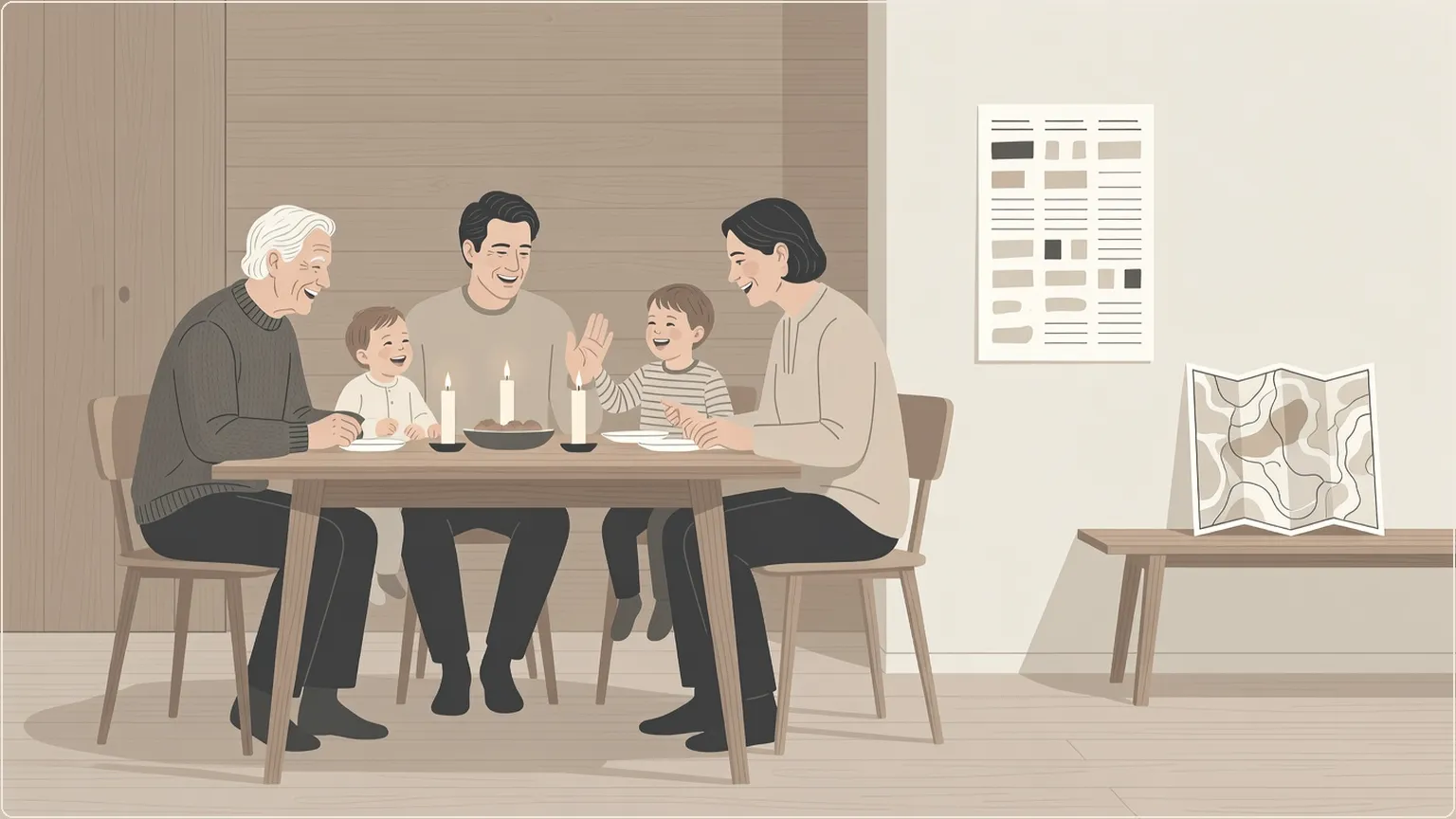
Daily voice check-ins: A 10-15 minute morning call recaps yesterday, plans the day, and sparks joy. Far better than texts—voice conveys warmth and stimulates language centers.
Incorporate cognitive nudges: Chat about family stories, weather quirks, or light puzzles. Nordic studies show memory games during talks buffer decline.
Leverage community: In Denmark or Norway, link to local senior cafes or TALT-like AI pilots freeing caregivers for real visits.[4] Track progress with simple journals: Note mood and recall weekly.
Family pact: Rotate calls among siblings; set reminders. Aim for 25% less isolation—studies show it halves risk.
These habits empower independence while giving you peace of mind.
Blending Tech with Heart: Margit AI's Role in Daily Protection
In the Nordics' aging landscape, tools like Margit AI step in seamlessly. Every morning, it delivers those vital 10-15 minute voice conversations—tailored in Swedish, Norwegian, Danish, or Finnish.
Engaging chats combat isolation head-on, stimulating cognition without replacing your visits. Families gain wellbeing insights, ensuring your loved one thrives. It's the reliable friend bridging quiet mornings to sharper days.
Sources
- https://www.emjreviews.com/neurology/news/study-shows-that-social-isolation-accelerates-cognitive-decline
- https://medicalxpress.com/news/2025-12-social-isolation-brain-life.html
- https://pmc.ncbi.nlm.nih.gov/articles/PMC12522220/
- https://systematic.com/int/industries/healthcare/news/news/new-report-ai-moves-closer-to-elderly-care-freeing-up-time-for-care-and-compassion
Want to give your parent daily conversations?
Margit calls every morning for engaging conversation that keeps minds sharp.
Experience MargitMore articles
The Science Behind Digital Companionship
The Science Behind Digital Companionship. Why Traditional Solutions Fall Short. The Nordic Context: Leading the Way in Ethical AI Care.
February 27, 2026The Groundbreaking New York Pilot That Changed Everything
The Groundbreaking New York Pilot That Changed Everything. How Proactive AI Turns Isolation into Connection.
February 23, 2026The Dawn of Phone-Based AI Companions
The Dawn of Phone-Based AI Companions. Science Backs the Magic of Empathetic AI. Why Phone Calls Trump Apps for Seniors.
February 22, 2026