The Eye-Opening Findings from Dr. Jo Hale's Team
The Eye-Opening Findings from Dr. Jo Hale's Team. Isolation's Direct Path to the Brain—Bypassing Loneliness. No One Is Immune: Risks Span All Backgrounds.
The Eye-Opening Findings from Dr. Jo Hale's Team
In December 2025, Dr. Jo Hale and colleagues at the University of St Andrews published their analysis in The Journals of Gerontology Series B. They dove into 14 years of data (2004-2018) from the US Health and Retirement Study, tracking real-world cognitive function like memory and reasoning.[2]
The verdict? Social isolation—measured objectively by low sociability, no community ties, or lack of religious involvement—predicts faster brain decline. Even if someone doesn't feel lonely, their isolation still erodes cognition at an alarming rate. "Constructing the scaffolding to allow for regular social interaction... should be a public health priority," Dr. Hale emphasized.[3]
Pre-COVID, about 25% of those 65+ were isolated, and with Alzheimer's already affecting 6.9 million Americans, this direct link underscores the urgency.
Isolation's Direct Path to the Brain—Bypassing Loneliness
Here's the shocker: only 6% of isolation's harm on cognition runs through subjective loneliness. The rest—94%—is a straight shot from lack of interaction to brain changes.[1]
Think of it like this: your loved one might not pine for company, but without regular engagement, their brain misses the stimulation that keeps neural pathways active. Studies show isolation raises dementia risk and speeds overall decline, much like physical inactivity weakens muscles.
It's not about big emotions; it's the absence of everyday exchanges that quietly starves the mind.
No One Is Immune: Risks Span All Backgrounds
This isn't limited to any group. The study controlled for gender, race, ethnicity, and education—higher isolation sped decline across the board.[2]
Whether your parent lives in a quiet Nordic suburb or a bustling city flat, the pattern holds. Reducing isolation protected cognitive function universally, offering hope no matter their circumstances. In the Nordics, where harsh winters can amplify solitude, this resonates deeply for families like yours.
Practical Steps to Build That Protective "Social Scaffolding"
You don't need grand gestures—small, consistent actions make the difference. Start with daily check-ins: a 10-15 minute call sharing weather updates, family news, or a favorite memory keeps the brain engaged without overwhelming them.
Encourage low-pressure involvement: a weekly coffee with friends, online senior groups in Swedish, Danish, or Norwegian, or gentle walks in community centers. Track patterns—if they're skipping hobbies, nudge them back lovingly.
Family tip: Use apps for shared calendars or voice notes to foster connection effortlessly. These steps combat isolation objectively, slowing decline before it starts.
Morning Conversations: A Simple Shield for Your Loved One's Mind
Services like Margit AI fit seamlessly into this picture. With tailored 10-15 minute morning calls in native Nordic languages, Margit delivers that vital daily interaction—sparking laughter, reflections, and cognitive nudges without demanding effort from your parent.
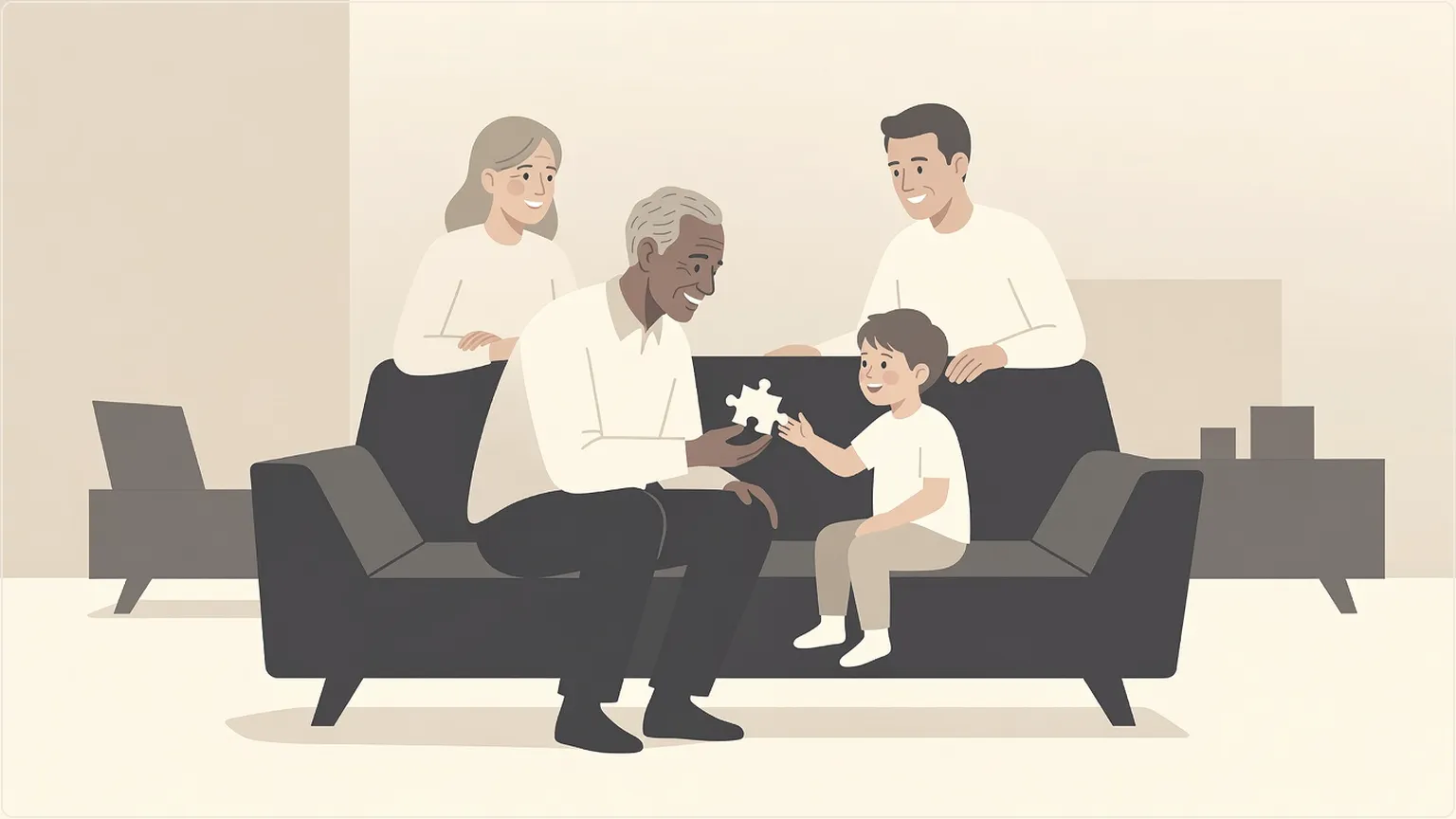
It's not about replacing human bonds but supplementing them, giving you insights into their wellbeing while they enjoy a friendly voice. In a world where isolation lurks silently, this consistent "scaffolding" offers real protection, bringing peace of mind to families watching over aging parents.
Sources
- https://neurosciencenews.com/social-isolation-cognitive-decline-30058
- https://medicalxpress.com/news/2025-12-social-isolation-brain-life.html
- https://www.emjreviews.com/neurology/news/study-shows-that-social-isolation-accelerates-cognitive-decline
Want to give your parent daily conversations?
Margit calls every morning for engaging conversation that keeps minds sharp.
Experience MargitMore articles
The Science Behind Digital Companionship
The Science Behind Digital Companionship. Why Traditional Solutions Fall Short. The Nordic Context: Leading the Way in Ethical AI Care.
February 27, 2026The Groundbreaking New York Pilot That Changed Everything
The Groundbreaking New York Pilot That Changed Everything. How Proactive AI Turns Isolation into Connection.
February 23, 2026The Dawn of Phone-Based AI Companions
The Dawn of Phone-Based AI Companions. Science Backs the Magic of Empathetic AI. Why Phone Calls Trump Apps for Seniors.
February 22, 2026