The ACTIVE Trial Breakdown
The ACTIVE Trial Breakdown. Striking Long-Term Results. Why Speed Training Works.
The ACTIVE Trial Breakdown
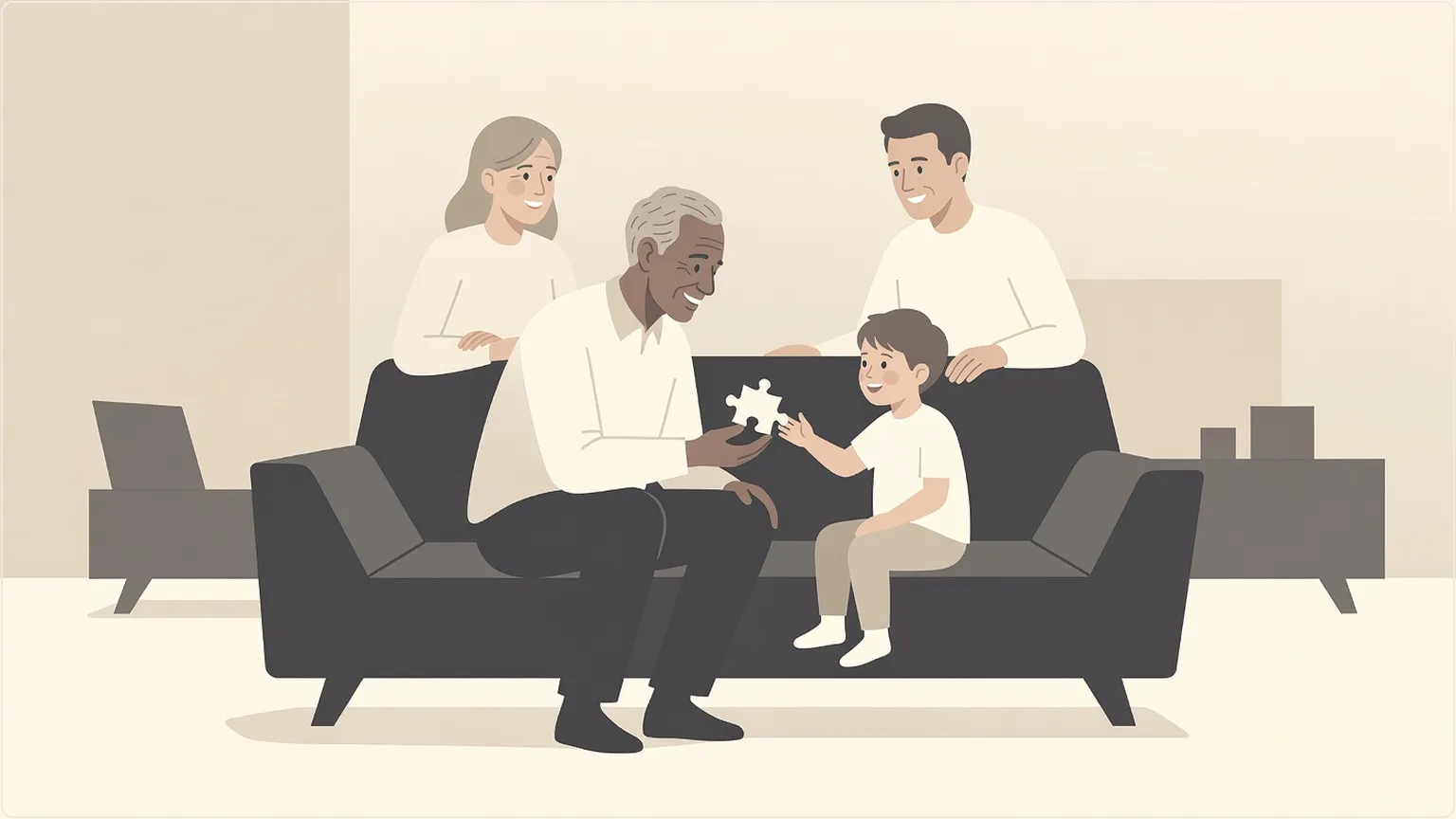
The Advanced Cognitive Training for Independent and Vital Elderly (ACTIVE) study randomly assigned participants to one of three training types or a no-contact control group. Speed-of-processing training stood out: participants completed 10-15 hours of adaptive computer exercises over 5-6 weeks, focusing on quickly identifying visual information amid distractions.[3]
Unlike memory or reasoning training, which targeted recall or problem-solving, speed training honed reaction times and visual processing—skills vital for everyday tasks like driving or spotting hazards. Participants practiced at home after initial sessions, with software adjusting difficulty to keep them challenged.
Striking Long-Term Results
After 10 years, those in the speed training group had a 29% lower rate of dementia diagnoses compared to the other groups.[2] Remarkably, this reduced risk held steady even after 20 years, marking the first time a cognitive intervention has shown such enduring protection against dementia onset.[1]
The study tracked real-world outcomes through medical claims data, confirming lower incidence without relying solely on cognitive tests. "Seeing that boosted speed training was linked to lower dementia risk two decades later is remarkable because it suggests that a fairly modest intervention may have long-lasting effects on cognition and everyday functioning," said Emorie Bessey, PhD, from Johns Hopkins.[1]
Why Speed Training Works
Researchers believe the training builds cognitive reserve, helping brains compensate for age-related changes. By improving processing speed, it enhances overall brain efficiency, potentially delaying symptoms even as underlying pathology develops.[3]
This differs from past studies with shorter follow-ups or less targeted methods. ACTIVE's scale—spanning two decades—and use of objective health records make it a gold standard, influencing guidelines from bodies like the NIH.[2]
What This Means for Families
For families supporting aging loved ones, these findings spotlight practical steps: seek out speed-of-processing programs like those from Posit Science (used in ACTIVE) or similar apps, often available online for under $100.[1] Combine them with routine check-ins to monitor progress, as early intervention maximizes benefits.
Eldercare professionals can now recommend 10-15 hours upfront as a low-effort investment yielding decades of payoff, especially for those at moderate risk. It's not a cure, but it empowers proactive care without relying on drugs or invasive measures.
Building on Daily Habits
These results underscore how targeted brain exercises fit into broader routines that sustain cognitive health, much like daily conversations that keep minds sharp through social engagement. As Nordic families embrace tools for elder well-being, blending speed training with regular chats could amplify protection against isolation and decline.
Sources
- https://www.hopkinsmedicine.org/news/newsroom/news-releases/2026/02/cognitive-speed-training-linked-to-lower-dementia-incidence-up-to-20-years-later
- https://alz-journals.onlinelibrary.wiley.com/doi/10.1002/trc2.70197
- https://www.nih.gov/news-events/news-releases/cognitive-speed-training-over-weeks-may-delay-diagnosis-dementia-over-decades
Want to give your parent daily conversations?
Margit calls every morning for engaging conversation that keeps minds sharp.
Experience MargitMore news
Why Nordic Countries Are Targeting Senior Care Now
A Broader Pattern: Capital Meets Cognitive Health. What This Means for Families.
October 19, 2026What the Numbers Show
Why Daily Contact Matters More Than Occasional Visits. A Signal for the Nordic Region. What This Means for Families.
October 12, 2026Why Denmark Is Looking Abroad
A Nordic-Wide Pattern. The Role of Technology in the Gap Years. What This Means.
October 5, 2026